


 Azərbaycanca
 Русский

Select language
Maltese Care: Nutrition, Coat Care, Walking, and Training Tips
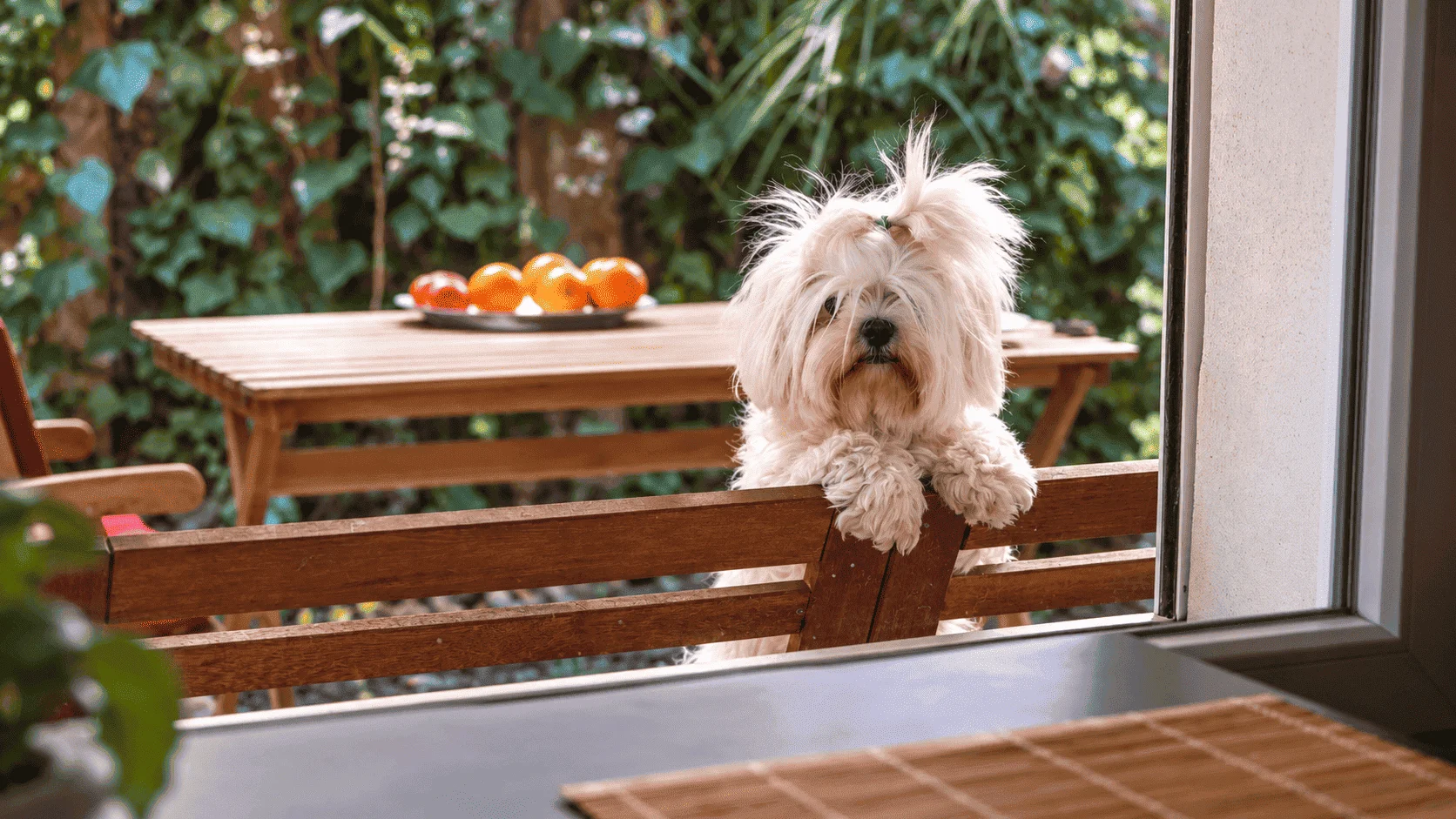
The Maltese is one of the most famous dog breeds known for its small size, long and silky coat, friendly character, and strong attachment to its owner. Despite its tiny appearance, the Maltese requires daily attention and proper care. Particularly, coat care, dental hygiene, proper nutrition, and socialization are essential for this breed to lead a healthy and comfortable life.
Daily Walks and Physical Activity
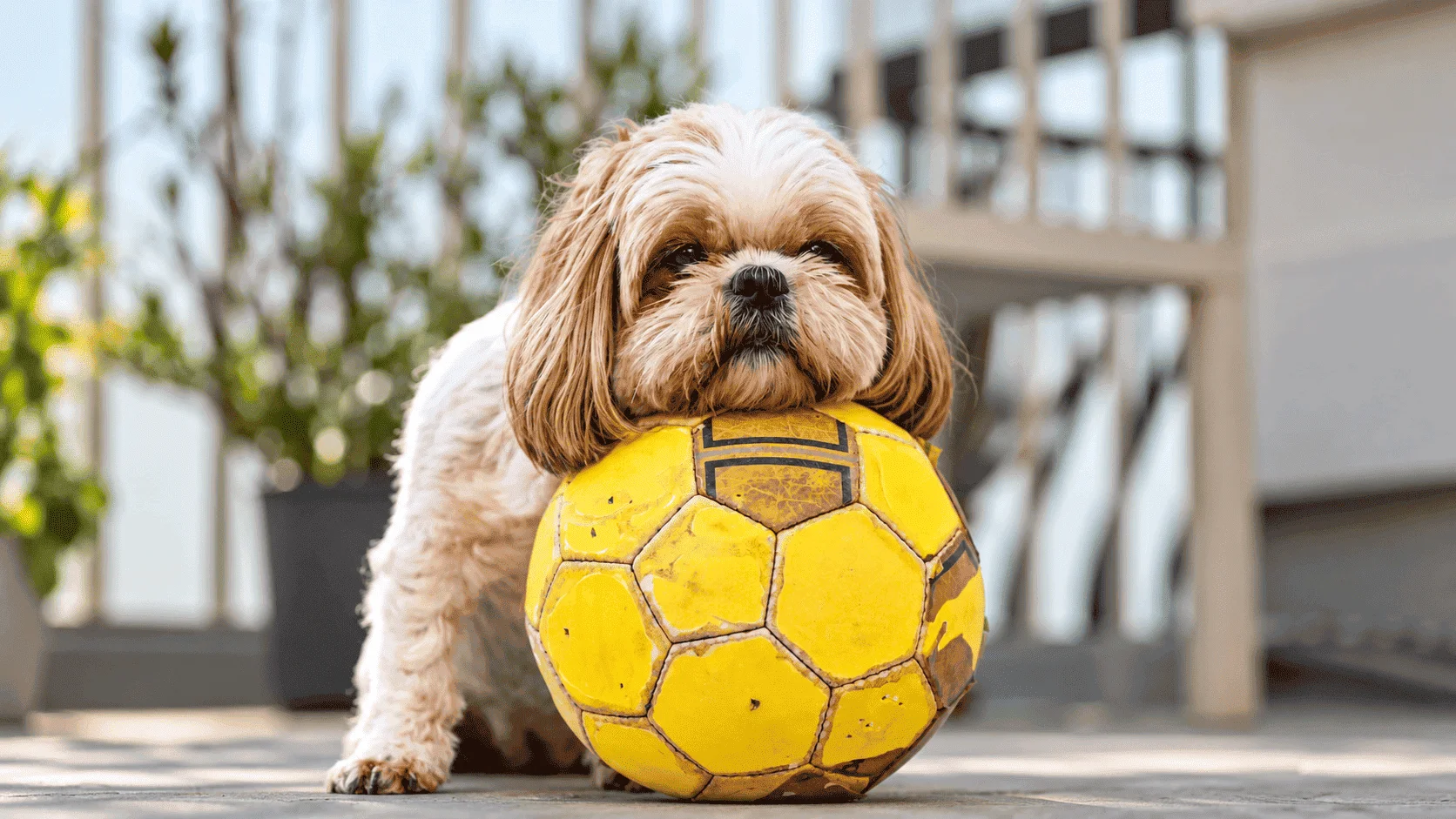
The Maltese does not require heavy physical activity like large and very energetic dogs. However, its small size does not mean it has no need for movement. Short daily walks and indoor games can provide sufficient physical activity for a Maltese. Playing with a ball, simple fetch games, and educational exercises help it both stay physically active and keep its mind sharp. For young puppies, physical activity should be organized according to their age, and excessive exertion should be avoided.
Proper Nutrition
A quality small-breed dog food suited to the Maltese's age, weight, and activity level should be chosen. Because small dogs have a smaller stomach capacity compared to large breeds, proper portion control is important. Overeating and frequent high-calorie treats can lead to weight gain. Therefore, the daily food intake should be kept under control. Special attention must be paid to the feeding schedule of young Maltese puppies. Switching to a new food should be done gradually. Clean and fresh water must be accessible at all times throughout the day.
Caring for the Long and Silky Coat
One of the most essential parts of Maltese care is coat maintenance. Its long and soft hair is prone to tangling and matting. Regular brushing of the coat helps prevent tangles and keeps the hair clean and neat. Areas behind the ears, on the legs, belly, and neck should be checked carefully. If the Maltese's coat is kept long, it may need to be brushed more frequently. Depending on the length of the coat, regular grooming is also beneficial.
Bathing and Hygiene
When bathing a Maltese, a suitable shampoo formulated for dogs should be used. It is advisable to untangle any mats before bathing, and then thoroughly dry and brush the coat afterward. Stains can form around the eyes due to tearfulness and discharge. This area should be cleaned regularly and carefully with appropriate hygienic products. If redness, itching, a bad odor, or unusual changes are observed on the skin or coat, a veterinarian should be consulted.
Dental Care
In small dog breeds like the Maltese, paying special attention to oral and dental hygiene is beneficial. Regular teeth cleaning can help reduce the risk of bacteria and tartar buildup in the mouth. Only products specifically designed for dogs should be used for the dog's dental care. If persistent bad odor, redness in the gums, or difficulty eating is observed, a veterinary check-up is essential.
Ear, Eye, and Nail Care
The ears of the Maltese should be checked regularly. If signs such as a bad odor, heavy dirt, redness, or itching occur in the ears, a specialist should be consulted. Keeping the area around the eyes clean is also part of daily care. It is especially important to ensure that long hairs do not fall into the eyes. When nails grow excessively long, they can cause discomfort to the dog's movement. Therefore, nail length should be checked regularly and trimmed when necessary.
Training and Socialization
The Maltese is an intelligent and owner-attached dog. Teaching basic commands from an early age makes daily life much easier. Using positive reinforcement instead of harsh punishment is a more appropriate approach during training. Rewarding good behavior can positively influence the dog's learning process. A Maltese should be introduced to various people, sounds, and safe environments from puppyhood. This can help it adapt more comfortably to new situations.
Can a Maltese Be Kept Indoors?
Due to its small size, the Maltese is one of the breeds suitable for apartment living. Although it does not need a large yard, daily walks and playtime must definitely be provided. This breed loves close interaction with people. Therefore, being left unattended and completely alone for long periods can cause stress and undesirable behaviors in some dogs. Indoors, a comfortable bed, clean water, a food bowl, safe toys, and a quiet spot to rest should be prepared for the Maltese.
Health Monitoring
Regular veterinary check-ups are essential for a Maltese. Vaccinations, parasite prevention, weight control, and general health screenings should be done on time. If noticeable changes in the dog's behavior, appetite, movement, skin, or coat are observed, a veterinarian should be consulted. Especially in small dogs, evaluating health-related changes without delay is much better.
Conclusion
Maltese care mainly consists of proper nutrition, regular coat and skin care, dental hygiene, daily walks, socialization, and veterinary supervision. Brushing and grooming are particularly important to keep its long and beautiful coat healthy. You can find quality food, food and water bowls, combs and brushes, hygiene products, beds, toys, walking accessories, and other pet products for your Maltese at Artvarium.az.
Bloqlar
© 2026 Artvarium. Developed by Globalmart Group.