


 Azərbaycanca
 Русский

Select language
Rottweiler Care: Nutrition, Walking, Training, and Health Tips
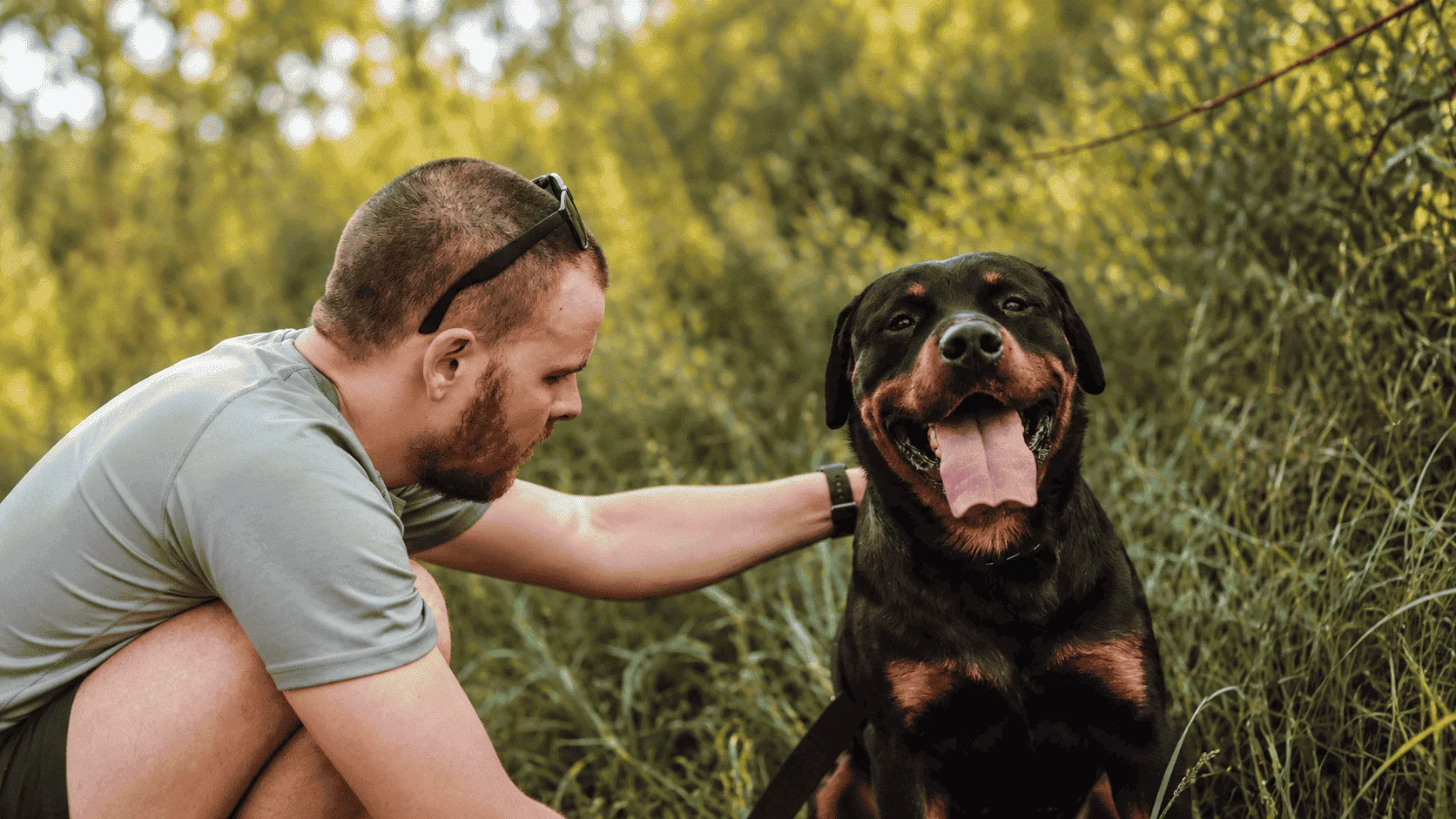
The Rottweiler is a strong, intelligent, energetic, and loyal dog breed. Distinguished by its muscular build and protective character, this breed can become a devoted and reliable companion to its family with proper upbringing and socialization. However, keeping a Rottweiler requires special responsibility. Because it is a large and strong dog, its daily physical activity, nutrition, training, and socialization must be properly organized.
Walking and Physical Activity for the Rottweiler
The Rottweiler is an active dog and needs enough movement every day. Along with walking, games, obedience exercises, scent work, and other mental activities are very beneficial. Without adequate physical and mental activity, the dog may become bored and exhibit undesirable behavior indoors. Therefore, allocating time for walks and training in the daily routine is essential. For Rottweiler puppies, physical load should be chosen according to their age. During the growth phase, excessive and high-impact exercises can put extra strain on the joints.
Proper Nutrition for the Rottweiler
Proper nutrition is one of the main conditions for the healthy growth of a Rottweiler. Especially during puppyhood, it is recommended to prioritize balanced foods formulated for large-breed dogs. When choosing food, the dog's age, weight, activity level, and overall health condition must be taken into account. Nutritional needs may vary for puppy, adult, and senior Rottweilers. Portion control is also important. Excess weight can place extra pressure on joints and increase the risk of various health problems. Therefore, it is necessary to monitor the Rottweiler's weight regularly. For an adult Rottweiler, it is usually helpful to divide the daily food amount into two portions and avoid heavy physical activity immediately after meals. Foods that can be dangerous for dogs, such as chocolate, onions, garlic, grapes, and raisins, must not be given.
Coat Care for the Rottweiler
The Rottweiler has a short and dense coat. Although coat care is easier compared to long-haired breeds, regular brushing is necessary. Brushing a few times a week can help remove dead hairs and control shedding at home. During seasonal shedding periods, the frequency of brushing may need to be increased. The Rottweiler should only be bathed when necessary. Frequent washing can affect the skin's natural protective layer. When bathing, it is important to use a suitable shampoo designed for dogs.
Training and Socialization for the Rottweiler
The Rottweiler is an intelligent and eager-to-learn dog. However, because of its strong and protective nature, starting training at an early age is particularly important. Basic commands like "Sit", "Come", "Stay", "Leave it", and "Heel" help manage the dog more easily in daily life. During training, it is recommended to use positive reinforcement and a reward-based approach. Instead of harsh physical punishment, consistent and proper training is much more effective. Socialization is also a crucial part of Rottweiler care. Controlled exposure to various people, sounds, environments, and suitable animals from puppyhood can help it adapt better to different situations in the future.
Ear, Dental, and Nail Care
The Rottweiler's ears should be checked regularly. If a bad odor, redness, excessive wax, or frequent scratching of the ears is observed, you should consult a veterinarian. Regular teeth cleaning helps maintain oral health. For this, only toothpaste and a proper toothbrush designed for dogs should be used. Nails must also be kept under control. Overgrown nails can cause discomfort to the dog while walking and strain its paws.
Health Monitoring for the Rottweiler
Rottweilers can be prone to certain joint problems and specific illnesses. Therefore, regular veterinary check-ups and weight management are vital. Particularly if unusual signs such as limping, pain during movement, persistent lethargy, changes in appetite, or swelling on the body are observed, you should contact a veterinarian. Because the Rottweiler is a large breed with a deep chest, the risk associated with emergency veterinary conditions such as gastric dilatation-volvulus (GDV) must also be considered. It is helpful to avoid heavy exercise right before or after meals and to divide the daily food into multiple portions.
Can a Rottweiler Be Kept Indoors?
The Rottweiler can also be kept in a home environment. The main condition for this is meeting its daily physical and mental needs. This breed loves spending time with its family, and long periods of isolation may not suit it. Indoors, providing a comfortable bed, clean water, a suitable food bowl, and safe toys for the Rottweiler is beneficial. If there are children at home, interactions between the dog and children must always be supervised by adults. Because the Rottweiler is a strong and large dog, even during friendly play, the risk of accidental injury may arise.
Conclusion
Rottweiler care requires the combined provision of proper nutrition, daily exercise, early socialization, consistent training, and regular health monitoring. The strong and protective character of this breed makes paying special attention to its upbringing essential. With the right approach, a Rottweiler can become a loyal, disciplined, and pleasant companion to its family. You can find everything your Rottweiler needs—food, bowls, beds, toys, brushes, walking accessories, and other pet supplies—at Artvarium.az.
Bloqlar

© 2026 Artvarium. Developed by Globalmart Group.