


 Azərbaycanca
 Русский

Select language
Pomeranian Care: Essential Rules for Nutrition, Coat Care, Walking, and Health
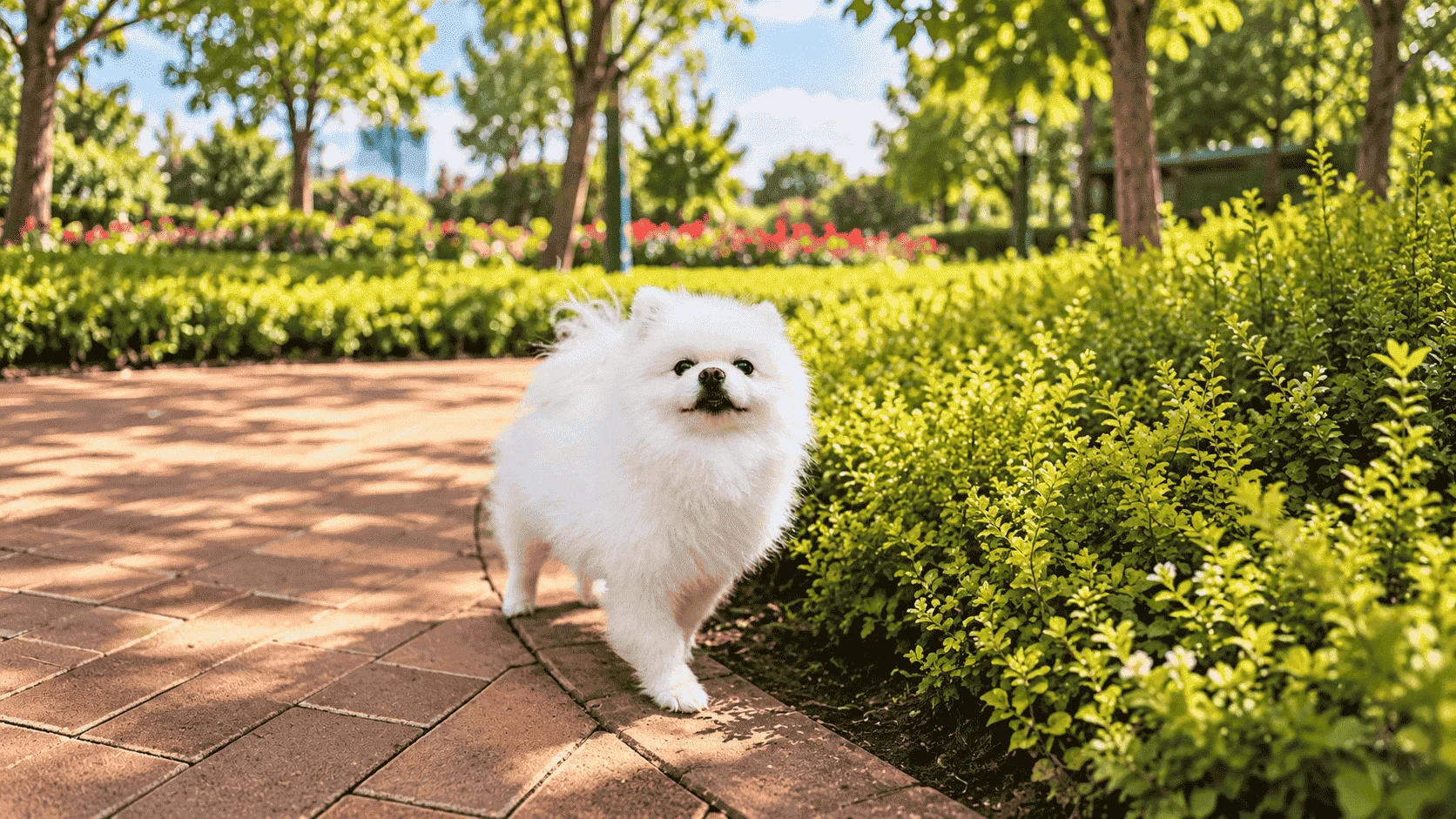
The Pomeranian is a small-sized, energetic dog breed that loves attention. Despite its small body structure, the Pomeranian is quite active and intelligent, requiring proper nutrition, regular coat care, daily exercise, and careful grooming. The dense and fluffy coat of this breed is one of its most characteristic features. Therefore, coat brushing and skin care are of special importance in Pomeranian care. At the same time, regular checks of the teeth, nails, ears, and eyes are also essential.
1. Proper Nutrition for Pomeranians Since the Pomeranian is a small breed, its nutritional needs differ from those of large dog breeds. A balanced food suited to its age, weight, and daily activity level should be chosen. Quality dry food intended for small dogs can be used as the main food source. When choosing food, it is necessary to pay attention to the balance of protein, fats, vitamins, and minerals. Overfeeding Pomeranians is not right. Excess weight can put an extra strain on their small body structure. The amount of food given during the day should be determined according to the dog's weight and the manufacturer's feeding recommendations. Chocolate, onions, garlic, grapes, raisins, and some other human foods can be dangerous for dogs. Therefore, it is important to avoid giving random table scraps.
2. Pomeranian Coat Care The dense and double coat of the Pomeranian requires regular maintenance. If not brushed, the fur can tangle, mat, and prevent the skin from breathing. It is advisable to use a suitable comb and brush for coat care and brush the dog regularly. Special attention should be paid to the neck, behind the ears, legs, and parts of the body where the fur is denser. Brushing can be done more frequently during shedding periods. This helps remove loose hair and reduces the amount of fur around the house. It is not right to shorten Pomeranian coats excessively or shave them without considering the skin's self-protective function. When making decisions about coat length, it is better to get advice from a professional groomer or veterinarian.
3. How Often Should a Pomeranian Be Bathed? Bathing a Pomeranian too frequently can negatively affect the skin's natural oil balance. Therefore, bathing should be done according to the dog's needs, coat condition, and lifestyle. Quality shampoo formulated for dogs should be used. Shampoos intended for humans may not be suitable for a dog's skin. Thorough drying of the coat after bathing is crucial. Especially in densely coated Pomeranians, damp fur can cause skin discomfort and unpleasant odors.
4. Daily Walking and Physical Activity Despite its small size, the Pomeranian loves to move and explore its surroundings. Daily walks are beneficial for both its physical and mental health. Walks do not have to be heavy and long exercises. Short and regular walks suited to its age and physical condition can be sufficient. Special care must be taken in hot weather. Keeping a Pomeranian outdoors for long periods during the hottest hours of the day is not right. Having clean water constantly accessible is also important.
5. Pomeranian Training and Mental Development The Pomeranian is an intelligent and eager-to-learn dog. However, its small size does not mean it lacks the need for training. Basic commands, proper behavior, and house rules should be taught from an early age. Using positive reinforcement, praise, and suitable rewards during training can be more effective. Toys and simple mental exercises also help the Pomeranian focus its attention and channel its energy properly.
6. Dental and Oral Care Special attention should be paid to oral and dental care in small dog breeds. Teeth should be checked regularly and cleaned with a toothbrush and toothpaste designed for dogs whenever possible. If bad odor from the mouth, noticeable plaque on the teeth, or gum problems are observed, it is necessary to consult a veterinarian.
7. Ear, Eye, and Paw Care The Pomeranian's ears should be checked regularly. Redness, a bad odor, excessive discharge, or frequent scratching of the ear can be a sign of a problem. Dirt around the eyes can be cleaned gently with a soft, clean cloth or product. If persistent watering or redness is observed, a veterinary examination is recommended. Nails should also be trimmed on time. Overgrown nails can make walking uncomfortable for the dog and put extra strain on the paws.
8. Safe Walking for Pomeranians Because the Pomeranian is small in size, special attention must be paid to its safety during walks. Instead of overly heavy and unsuitable leashes and collars, accessories tailored to the dog's size should be chosen. Leaving the dog unattended on busy streets and in places with other dogs can be risky. Having it under the owner's control during walks is safer. The Pomeranian's condition should also be considered in cold weather. The duration of the walk should be adjusted according to air temperature, wind, and the dog's individual characteristics.
9. Puppy Pomeranian Care The nutrition and daily routine of Pomeranian puppies differ from adults. Proper nutrition, socialization, and training at an early age play a vital role in shaping future behaviors. It is important to avoid putting excessive physical strain on the puppy, create a safe environment, and help it gradually acclimate to new people, sounds, and environments. Vaccinations and parasite prevention measures should be carried out according to the schedule determined by the veterinarian.
10. Veterinary Supervision for Pomeranians Regular veterinary check-ups are essential to monitor the Pomeranian's overall health status. If symptoms such as loss of appetite, persistent lethargy, coughing, difficulty breathing, vomiting, diarrhea, severe itching, or drastic changes in behavior are observed, a specialist should be consulted. Preventive check-ups can help detect problems early and better monitor the dog's health.
Conclusion Pomeranian care is more than just maintaining its beautiful and fluffy appearance. Proper nutrition, regular coat brushing, dental and nail care, daily walks, training, and veterinary supervision are essential for this breed to live a healthy and comfortable life. Properly selected food, combs, toys, leashes, collars, and other accessories for your Pomeranian can make daily care more comfortable and safe. You can find suitable products for your pet on the Artvarium.az website.
Bloqlar
© 2026 Artvarium. Developed by Globalmart Group.